
You’ve measured the space. You’ve picked the tile. You’ve saved the Pinterest board. But now you’re stuck on the one question that actually determines how your bathroom feels to live in: an alcove or drop-in tub?
It sounds like a small decision. It isn’t. These two tub styles sit in your bathroom for decades, and the one you choose shapes everything from how easy cleanup is on a Tuesday night to how the room looks when guests walk in. Get it right, and your bathroom becomes the retreat you’ve always wanted. Get it wrong, and you’re living with it for a long time.
This guide walks you through everything that separates a drop-in tub vs. alcove tub—how they’re installed, what they cost, who they’re really built for, and how to figure out which one belongs in your home.
What Is an Alcove Tub?
An alcove tub is what most people picture when they think “bathtub.” It sits inside a three-walled recess—typically with tile or acrylic walls surrounding it on three sides and an open fourth side facing the bathroom. The tub itself has a visible, finished front apron, and it sits flush against the walls.
Alcove tubs are the most common tub installation in North American homes, and for good reason. They’re straightforward to install, easy to combine with a shower, and don’t require any custom-built structure. They work well in nearly every standard bathroom layout.
What defines the alcove setup isn’t just the tub—it’s the three-walled enclosure. That tight fit is what makes it functional, compact, and easy to waterproof. It’s the workhorse of bathroom fixtures.
What Is a Drop-In Tub?
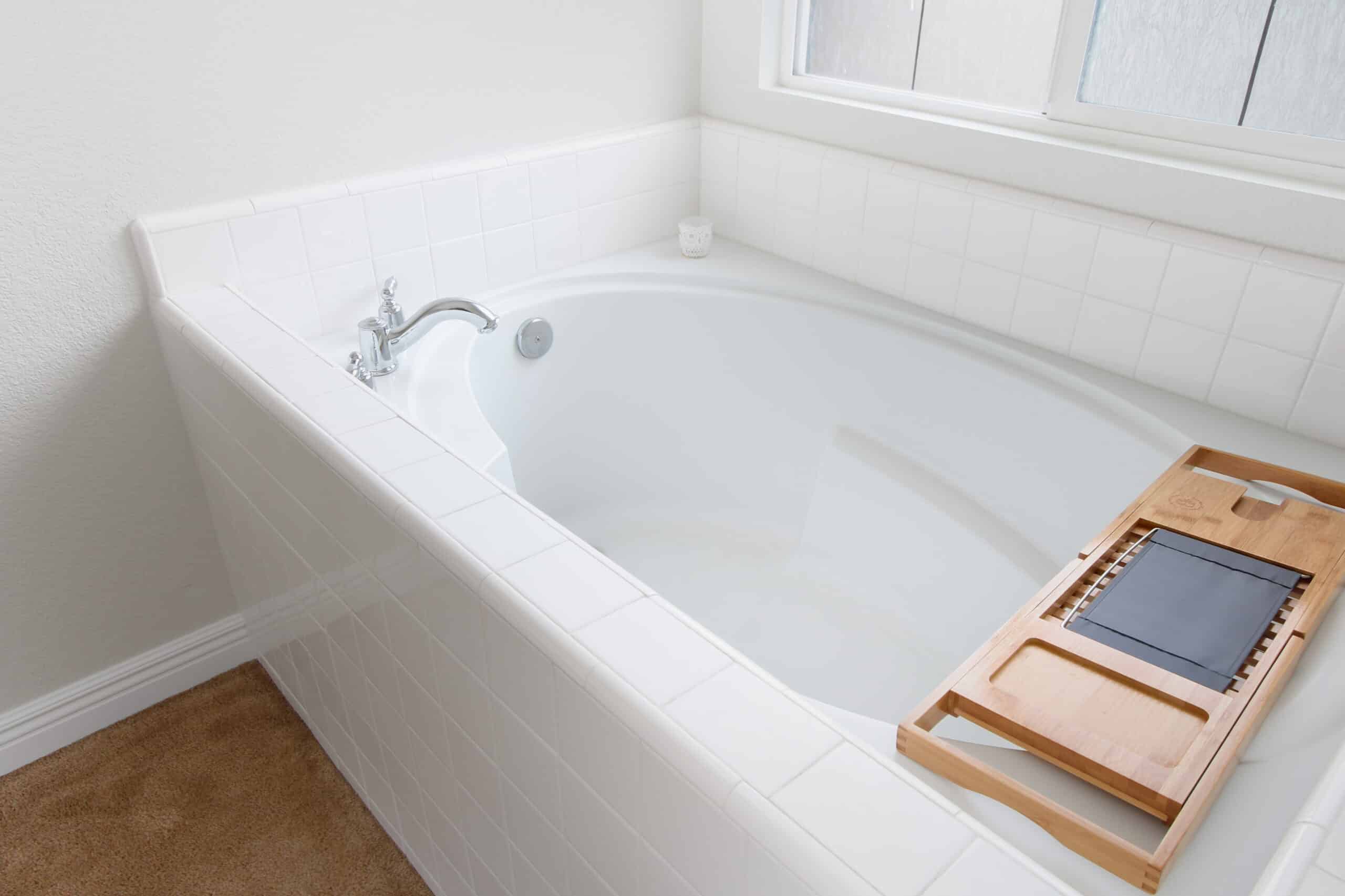
A drop-in tub is installed by “dropping” the tub basin into a custom-built deck or platform. The rim of the tub sits flush with—or slightly above—the surrounding surface, and the tub’s outer shell is entirely hidden within the deck structure. The deck itself is finished with whatever material you choose: tile, stone, marble, wood, or anything else.
Drop-in tubs are often associated with spa bathrooms, luxury hotel aesthetics, and high-end remodels—and that reputation is deserved. Because the surround is custom-built, you control the shape, material, height, and feel of the entire installation.
They can be installed along a wall, in a corner, or even in the center of the room. The design flexibility is one of the biggest selling points. If you want to browse what’s out there, Tubzz’s drop-in tub collection is a good place to start.
Alcove vs. Drop-In Tub: How They Actually Compare
These two tubs might both hold water and get the job done, but the experience of owning each is genuinely different. Here’s where it matters most:
Installation
Alcove tubs are among the simplest bathtub installations. The tub slides into a pre-built three-walled space, connects to the existing plumbing, and the walls are finished with tile or a tub surround kit. A plumber and a tiler can handle the whole job in a day or two in most cases.
Drop-in tubs require more work. Before the tub even arrives, someone needs to frame and build the deck structure that holds it. That means a contractor—not just a plumber—needs to be involved. The deck has to be waterproofed, finished, and structurally sound. Installation typically takes longer and costs more in labor.
The upside of all that extra work? You end up with something custom. The platform becomes part of your bathroom’s design, not just an afterthought.
Cost
When weighing drop-in vs. alcove tub options, the alcove wins on upfront cost. The tubs themselves are typically less expensive, and because installation is simpler, labor costs stay lower too. You can find reliable, good-looking alcove tubs at nearly every price point, from budget-friendly to mid-range to high-end.
Drop-in tubs tend to cost more, both for the fixture and the installation. The deck construction adds material and labor costs, and depending on what tile or stone you choose for the surround, costs can climb quickly. That said, a well-executed drop-in installation tends to add meaningful value to a home.
Cleaning and Maintenance
Here’s where alcove tubs have a practical edge. The three walls naturally splash, and the apron front means there’s no hidden understructure to worry about. You clean what you can see.
Drop-in tubs have one area that catches people off guard: the gap where the tub rim meets the deck. Water, soap residue, and grime can sneak into that seam. It’s manageable with routine maintenance, but it does require more attention than a standard alcove tub. The deck surface also needs to be kept clean, especially grout lines, if the surround is tiled.
That said, many drop-in owners will tell you the extra cleaning is a small price to pay for the experience. It just depends on how much maintenance you’re willing to do.
Design and Aesthetics
If you want the tub to blend into a classic bathroom layout, an alcove tub does that quietly and well. Modern alcove tubs can look sharp, with clean lines, sleek profiles, and minimal hardware.
If you want the bathroom to feel like something you designed intentionally, a drop-in tub is the more expressive choice. The platform gives you a design canvas. You can tile it to match the floor, run the same stone as the countertops, build in a ledge for candles, or create a stepped silhouette. The result can feel genuinely custom.
It’s also worth knowing that the drop-in tub vs alcove comparison has a close sibling: drop-in tubs vs. freestanding tubs. If you haven’t ruled out going freestanding, that comparison is worth reading before you commit to either style.
Space Efficiency
Alcove tubs are built for standard-sized bathrooms. They tuck into a three-walled niche, they don’t demand extra floor space, and they’re designed to live alongside a shower. If your bathroom is on the smaller side, an alcove tub fits without forcing you to sacrifice anything.
Drop-in tubs need more room, not just for the tub itself, but for the deck that surrounds it. The platform adds visual and physical bulk to the installation. In a larger bathroom, that can actually work in your favor (the platform fills the space with purpose). In a tight bathroom, it can feel overwhelming.
Shower Compatibility
Alcove tubs are designed for tub-shower combos. The three-wall setup creates a natural shower enclosure. Add a curtain rod or a glass door, and you’ve got a fully functional shower-bath setup, which is the standard in most homes and the practical choice for everyday living.
Drop-in tubs can technically be used with a shower, but it’s not their natural role. Because they sit on a raised platform, stepping in and out under a shower setup is less intuitive. Most drop-in installations are soaking tubs, used for bathing, not showering. If you’re replacing your only shower in the process, keep that in mind.
Quick Recap: Pros and Cons
Alcove Tub — Pros:
- Lower upfront and installation cost
- Straightforward installation—no custom deck required
- Works seamlessly as a tub-shower combo
- Easy to clean and maintain
- Fits well in standard-sized bathrooms
- Wide variety of styles and price points
Alcove Tub — Cons:
- Less design flexibility—the look is fairly fixed
- Won’t be the focal point of the room
- Limited customization of the surround materials
Drop-In Tub — Pros:
- High-end, custom aesthetic that elevates the whole bathroom
- Surround can be finished in tile, stone, marble, or wood—your choice
- Built-in ledge for bath products and accessories
- Can be installed along a wall, in a corner, or centered in the room
- Adds long-term value to the home
Drop-In Tub — Cons:
- Higher cost for both the tub and installation
- Requires custom deck/platform construction
- The tub-to-deck seam needs regular attention
- Not ideal for tub-shower combos
- Requires more bathroom space
So Which One Is Actually Right for You?
Alcove vs. drop-in tub: they’re built for different people and bathrooms.
Here’s how to think about it:
Go with an alcove tub if your bathroom is a standard size, you want a tub-shower combo, or you’re working with a tighter budget. Alcove tubs are the practical, reliable choice for everyday households. They look good, they last, and they do their job without demanding extra attention or a significant renovation.
Go with a drop-in tub if you have a larger bathroom, want the tub to feel intentional and well-designed, and are willing to invest in the installation. Drop-in tubs shine in master baths and spa-style renovations where the goal is to create an experience, not just a functional fixture.
A few questions that can help you decide:
- Is this your only bathtub, or do you have a separate shower somewhere else in the home?
- Are you remodeling a standard bathroom or building out a master suite from scratch?
- How much floor space are you actually working with?
- Is the tub going to be used daily, or is it more of a “when I want a long soak” situation?
- What’s your budget—and are you factoring in installation costs, not just the sticker price on the tub?
The answers to those questions will almost always point you in one direction. If you’re still on the fence, talking to someone who knows both products well can save you from a costly mistake.
One More Thing Worth Considering: Materials
Both alcove and drop-in tubs come in a range of materials, and your choice affects how they look, feel, and hold up over time.
Acrylic is the most common material for both styles—lightweight, decent heat retention, and available in a wide range of shapes. Fiberglass is lighter and more affordable, but it tends to wear faster. Cast iron is heavy and extremely durable, holds heat better than almost anything else, but adds significant weight to your floor structure.
For drop-in tubs specifically, stone resin has become a popular option because it holds heat well and has a premium, solid feel. It’s heavier than acrylic but not as extreme as cast iron.
The material question matters a lot for the drop-in tub vs alcove tub decision in particular. A drop-in tub’s exterior is hidden within the deck, so you’re really investing in the interior experience—the feel of the surface, how long it holds warm water, how easy it is to clean—rather than the outer look. With an alcove, the apron is visible, so the material’s finish and color matter more from a design standpoint.
Find Your Fit at Tubzz
Still weighing alcove vs. drop-in bathtub options and not sure where to land? Get in touch with us, we’re happy to help you think it through.
If you already know a drop-in tub is the direction you’re heading, Tubzz carries a curated selection designed for real bathrooms, not just showroom floors. Each model is built with attention to materials, soaking depth, and long-term durability.
We’re a Utah-based showroom, which means you can actually see, touch, and sit in the tubs before you commit. That matters more than most people realize. Photos don’t tell you how a tub feels when you’re in it—the slope of the backrest, the depth of the basin, the texture of the surface. Those things only become clear in person. Come see us, and we’ll help you find the right fit for your bathroom, your budget, and the kind of soak you’re actually after.