
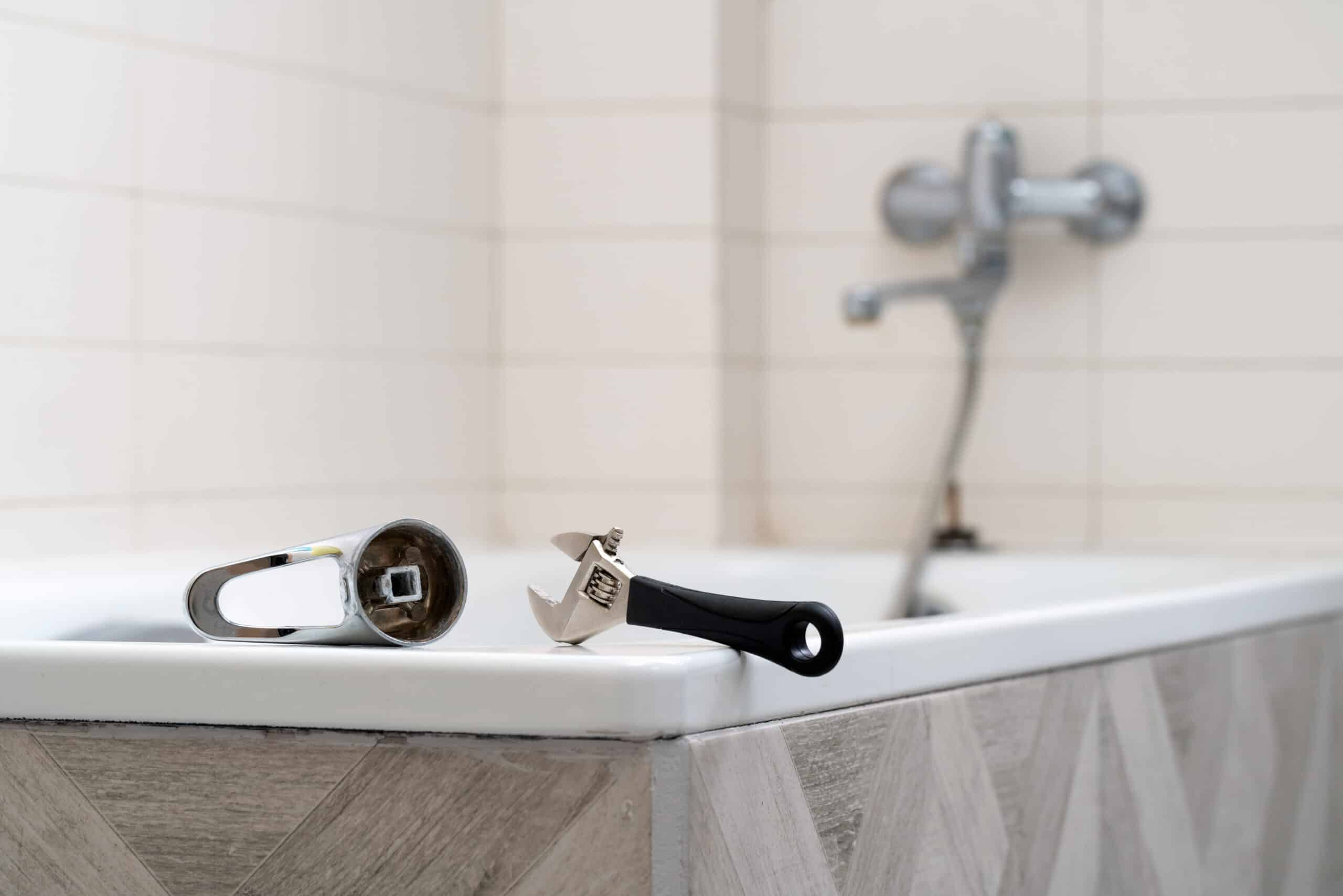
Is your bathtub faucet constantly dripping? That slow, steady leak might seem harmless, but over time it wastes gallons of water and drives up your utility bill. Even worse, it can lead to long-term water damage if ignored.
If you’ve been wondering how to fix a leaky bathtub faucet, you’re in the right place. This guide will walk you through everything you need to know, including why faucets leak, how to diagnose the issue, and the exact steps to fix it without calling a plumber.
Ready to stop that drip and save money? Let’s dive in.
Bathtub Faucet Leaking? Here Are 4 Potential Causes
Before jumping into learning how to stop a leaky faucet in a tub, it’s important to understand why a bathtub faucet leaks in the first place. This knowledge can save you from wasting time on the wrong fix and help prevent issues in the future. A leak is usually a sign that something inside the faucet assembly has worn out or isn’t functioning correctly. Over time, constant water pressure, mineral deposits, and everyday wear and tear can damage the internal parts that keep water sealed in place.
Here are the most common reasons for a leaky bathtub faucet so you can confidently diagnose and fix it:
- Worn-out washers or O-rings
- Damaged cartridge or valve seat
- Corroded plumbing parts
- Loose handles or connections
Bottom line: Most leaks stem from worn or damaged internal parts, but the fix is usually simple if you catch it early. Now that you know what causes a bathtub faucet to leak, let’s move on to how you can repair it quickly and effectively.
How to Fix a Leaky Bathtub Faucet Step-by-Step
Here’s the fun part: rolling up your sleeves and fixing that leak. But first, it’s important to ensure you know how to use the basic tools. Otherwise, you may end up with a mess that would require an emergency call to the plumbing professionals.
Step 1: Gather the Tools
Before starting, gather these items to make the job quick and easy:
- Adjustable wrench
- Flathead and Phillips screwdrivers
- Replacement washers or cartridges
- Plumber’s grease
- Towels or a small bucket
- Penetrating oil (for stubborn screws)
Step 2: Turn Off the Water Supply
You don’t want water spraying everywhere. Locate the shut-off valves near your bathtub. If you can’t find them, turn off the main water supply for your home.
Pro tip: Open the faucet after shutting off the water to release any remaining pressure.
Step 3: Remove the Faucet Handles
Most two-handle faucets have decorative caps covering the screws. Use a flathead screwdriver to gently pry off the caps, then remove the screws with a Phillips screwdriver.
Once the screws are out, pull off the handles to reveal the stem assembly.
Step 4: Take Out the Stem Assembly
Use an adjustable wrench to loosen and remove the stem assembly. This piece controls the water flow inside the faucet.
Step 5: Inspect and Replace the Washer or Cartridge
Look at the washer and cartridge inside the stem assembly. If the washer looks worn or the cartridge is cracked, replace it.
Apply plumber’s grease to the new part before putting everything back together. This ensures a smooth fit and prevents future leaks.
Step 6: Reassemble the Faucet
Slide the stem assembly back in, tighten it with the wrench, and reattach the handle. Don’t forget the decorative caps.
Step 7: Turn On the Water and Test
Turn the water supply back on and check for leaks. If the dripping has stopped, you’ve fixed it.
But What If the Tub Faucet is Still Leaking?
If you’ve already replaced the washers and cartridges but the leak continues, the problem may run deeper than just worn-out parts. In many cases, a persistent leak indicates that the faucet assembly itself has reached the end of its lifespan. Constant dripping not only wastes water but can also drive up utility bills and even cause staining or damage around your tub over time.
At this stage, it’s often more cost-effective to replace the entire faucet rather than continuing with temporary fixes. This also presents the perfect opportunity to give your bathroom a fresh, updated look. Consider upgrading to a modern fixture that complements your space and enhances your bathing experience. You can explore our bathtub collection, which includes elegant freestanding tubs for a bold statement or drop-in tubs for a sleek, built-in style. A new fixture paired with the right bathtub can completely transform your bathroom into a more stylish and functional retreat.
Common Mistakes to Avoid When Fixing a Bathtub Faucet That’s Leaking
Even the simplest faucet repair can go wrong if you overlook small but important details. By keeping these common mistakes in mind, you’ll save yourself from extra hassle and prevent further damage.
Forgetting to Turn Off the Water
One of the most common (and messy) mistakes is skipping this step. Always shut off the water supply before you start; otherwise you risk flooding your bathroom mid-repair.
Using Wrong Replacement Parts
Washers, cartridges, and O-rings come in different sizes depending on your faucet brand. Using mismatched parts won’t solve the problem and may even worsen the leak.
Overtightening Screws
It’s tempting to crank screws down as hard as possible, but overtightening can strip the threads or crack delicate components. Tighten firmly, but stop before resistance turns into strain.
FAQs
1.Why is my tub faucet leaking?
Leaky faucets are often caused by:
- Worn-out washer
- Worn-out O-ring
- Deteriorated cartridge inside the valve.
Constant water pressure wears down these rubber/plastic seals over time, letting water seep past even when the handle is off. Mineral buildup or a corroded valve seat can cause the same problem, especially with hard water.
2. How much will a plumber charge to fix a leaky faucet?
Typically $150–$350 for a standard repair. Cost depends on your location, the faucet type (single-handle vs. two-handle), and whether parts need to be special-ordered. Simple washer/cartridge swaps are cheaper; if the valve body itself is corroded, expect to pay more.
3. Does a leaky faucet raise my water bill?
Yes, even a small drip adds up. A faucet leaking one drip per second can waste over 3,000 gallons a year, which can add a noticeable amount to your bill depending on local water rates. The faster or steadier the leak, the greater the cost.
4. What is the average lifespan of a faucet?
Around 15–20 years for a quality faucet. Lifespan varies by material and usage—brass and stainless steel tend to last longer than cheaper finishes, and internal parts (washers, cartridges) often need replacing well before the faucet itself needs full replacement.
When to Call a Professional
Persistent leaks can signal corrosion in your plumbing system, poor water pressure regulation, or hidden water damage that DIY fixes can’t address. A licensed plumber has the tools to run pressure tests, check for internal pipe leaks, and ensure your bathroom’s plumbing system is functioning safely and efficiently.
If you’re thinking about upgrading your space with a luxurious, customized tub, wellness room, cold plunge, or sauna, Tubzz has you covered as Utah’s premier manufacturer and dealer of bespoke bathing and wellness products.
We transform bathrooms into spa-worthy sanctuaries. So, are you ready to upgrade? Schedule a showroom visit and discover your dream wellness setup.